
Its important to first acknowledge the difference between Molokai and the other Hawaiian islands. Molokai locals are not trying to keep tourists out, but to preserve their island’s culture. What this means practically, is there are only a few listed attractions on Molokai. The hidden gems are found through the people. Locals want you to get involved in the island, not just visit. While you still are able to visit the island as a tourist, the full Molokai experience means you also mālama, by learning about the island, supporting the community, and showing the utmost respect towards the land and people who live there.
Farms and organizations on Molokai offer volunteer lodging to those who want to connect with locals and their values. By contacting the Molokai tourism board, you’ll be shown different opportunities to volunteer for organizations that most call to you.
On Molokai, theres one main town that has the island’s groceries and gas stations, Kaunakakai. A great way to get around the island and meet people is by stopping in at Molokai Bicycle. The owner Phillip Kikukawa often leads visitors on scenic rides during the evenings, and is a great way to explore the island.
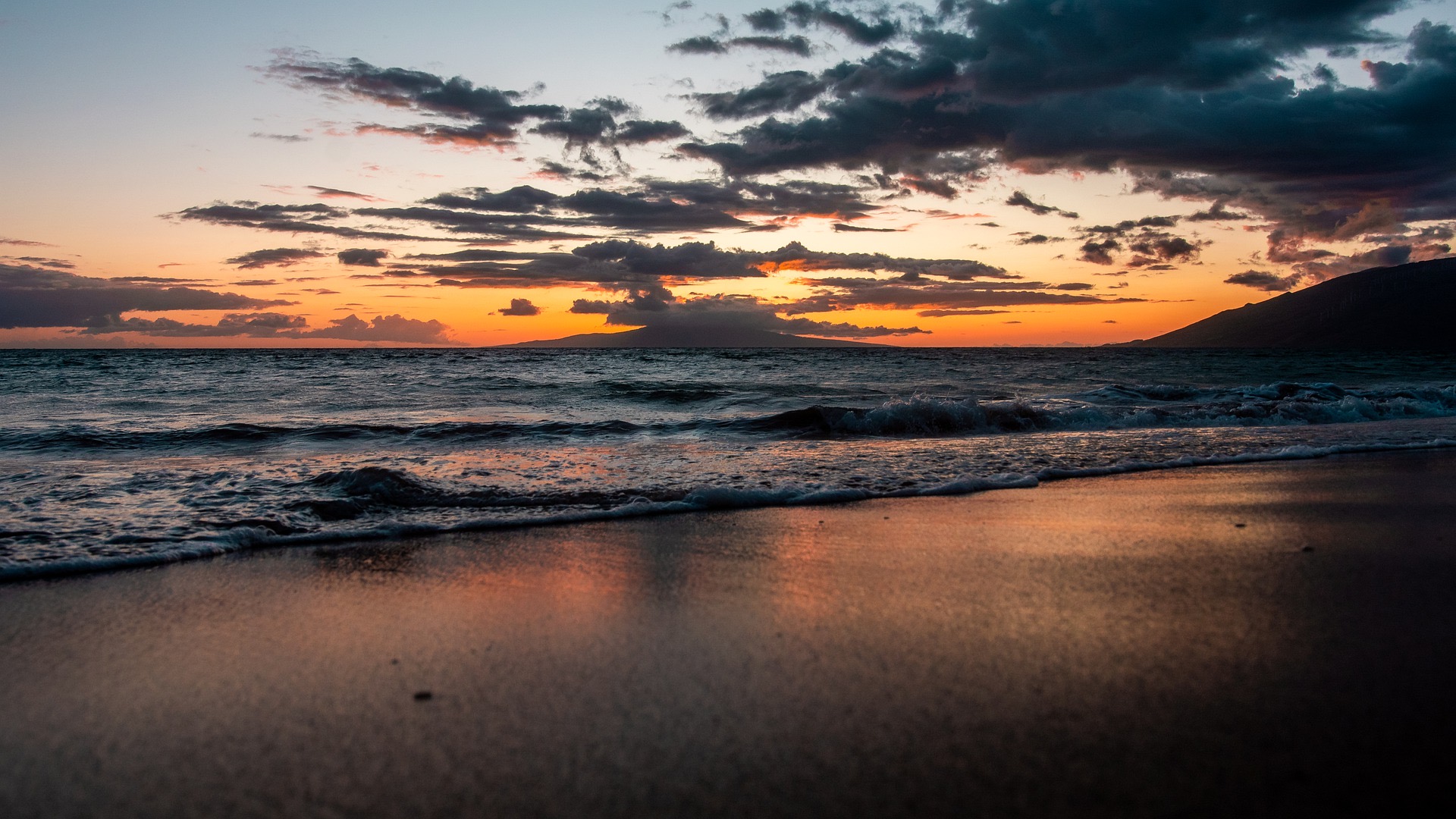
To the west of Kaunakakai is Papohaku Beach, a three mile long white sand beach – one of the longest in Hawaii. This beach is very peaceful, and a beautiful spot to catch the sunset.
A well-known Molokai location lies on the wetter, east side of the island. The Halawa Valley is a massive, gorgeously green, lush valley home to beautiful waterfalls, agricultural fields, and a stunning and unique beach park.
The valley has deep roots in Hawaiian culture, a sacred spot that is best experienced through the cultural hike. A local family takes you through history, cultural significance, and the beautiful sights that can only be seen with the guide. Enjoy the freshest fruit, a swim in a waterfall, and marvel at and learn about the natural history of this valley with the Halawa Flower Farm.
Halawa Beach Park is open to the public, and probably one of the most unique parks you’ll see – its shape and views are ones to experience for sure.
On Molokai’s North Shore are 3,000 foot cliffs, dotted with valleys and waterfalls to make an incredibly scenic view. The Kalaupapa Peninsula’s historic significance is important to understand – King Kamehameha isolated people with leprosy here when an outbreak began in Hawaii. The Peninsula is no longer able to be traveled by foot due to a landslide in 2019 – but the air ride is well worth it to see this one of a kind beauty.