
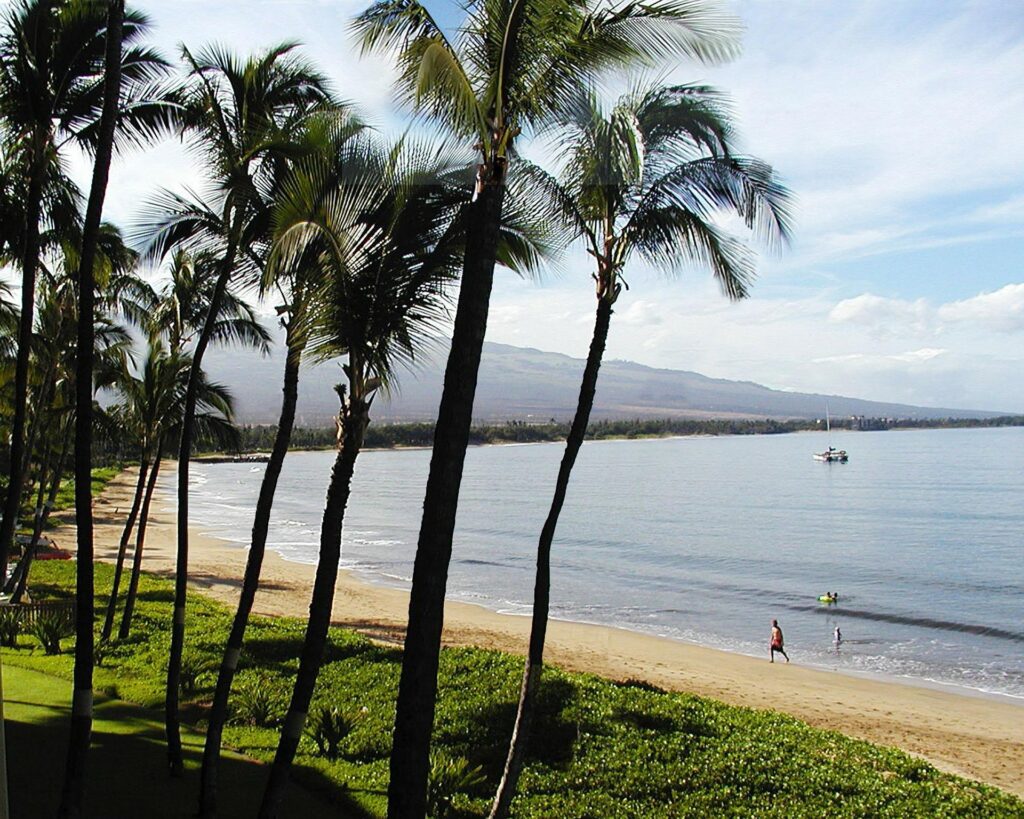
As with all of Hawaiʻi’s islands, Maui offers an extraordinary mix of ocean beauty, cultural history, small towns, and unforgettable landscapes.
When you arrive, you’ll land in central Maui near Kahului — the island’s main hub for shopping, local services, and access to every region. Central Maui has long been shaped by agriculture and plantation history, and today it remains the gateway to Maui’s many distinct communities.
⸻
West Maui & Lahaina — A Place of Deep History and Ongoing Healing
West Maui holds some of the most meaningful history in Hawaiʻi, and Lahaina in particular has long been a cultural center of the islands.
However, the tragic wildfires of August 2023 profoundly changed Lahaina forever. Much of the historic town was lost, and the community continues its long process of recovery and rebuilding.
Visitors should understand that Lahaina is not currently the same tourism district it once was. Travel in West Maui should be approached with care, awareness, and respect for residents, local guidance, and current access conditions.
Even in hardship, Lahaina remains a place of deep Hawaiian history — once a capital of the Hawaiian Kingdom and later an important whaling-era port. Its legacy continues through the strength of its people and the cultural significance of the area.
⸻
Kaʻanapali & North West Maui Beaches
North of Lahaina, the Kaʻanapali resort area and nearby coastal stretches remain among Maui’s most well-known beach destinations, offering long shorelines, snorkeling opportunities, and unforgettable sunsets.
As always, ocean conditions vary seasonally, and visitors are encouraged to practice reef-safe, respectful beach use.
⸻
Haleakalā — Maui’s Volcano Above the Clouds
It wouldn’t be Maui without Haleakalā.
Rising over 10,000 feet above sea level, Haleakalā National Park is one of Hawaiʻi’s most awe-inspiring landscapes. Visitors come from around the world for sunrise views, high-altitude hiking, and the surreal volcanic terrain that feels almost otherworldly.
Reservations may be required for sunrise entry, and the summit is culturally significant — travel here should be done thoughtfully.
⸻
ʻĪao Valley — Sacred Landscape and Cultural Landmark
Closer to the ground, ʻĪao Valley is one of Maui’s most lush and historically significant sites.
This valley was the location of the Battle of Kepaniwai, a pivotal event in Hawaiian history. Today, ʻĪao remains a sacred place, surrounded by rainforest cliffs, misty ridgelines, and the iconic ʻĪao Needle.
Access rules and parking systems may change seasonally, so visitors should check current guidelines before arriving.
⸻
South Maui — Kihei, Wailea & Makena
Maui’s South Shore is one of the island’s most active and welcoming regions, encompassing Kihei, Wailea, and Makena.
Kihei offers miles of beach, warm weather year-round, and stunning views of Kahoʻolawe, Lānaʻi, and Molokini. It’s a favorite base for swimming, paddleboarding, whale watching (in season), and relaxed local dining.
Wailea is known for its resort coastline, luxury accommodations, and some of Maui’s most scenic coastal walks.
⸻
Molokini Crater — World-Class Snorkeling
Just offshore from South Maui sits Molokini, a crescent-shaped volcanic crater famous for clear water and vibrant reef life.
Boat tours regularly depart from Maʻalaea Harbor, bringing snorkelers and divers to one of Hawaiʻi’s most unique marine environments, home to hundreds of fish species and coral ecosystems.
⸻
Makena — Wild Beauty at the Island’s Edge
One of Maui’s most striking coastal areas is Makena, where development gives way to open shoreline and dramatic natural scenery.
Makena Beach — often called Big Beach — stretches wide beneath the slopes of Haleakalā, with views out toward Molokini and Kahoʻolawe. Nearby coves and smaller beaches offer quieter spots for reflection and exploration.
As always, visitors should respect signage, ocean safety conditions, and the sacred nature of the land.
Maui today is both breathtaking and tender — a place of beauty, resilience, and ongoing recovery.
Visitors who arrive with respect, care, and support for local communities help ensure the island’s future remains as strong as its past.
Travel Update: Maui Today
Maui remains one of the most extraordinary places in Hawaiʻi — and it is also a place still healing.
In West Maui, especially Lahaina, recovery and rebuilding continue following the tragic 2023 wildfires. Some areas have limited access, evolving guidance, or are not yet welcoming visitors in the way they once did.
We encourage travelers to:
• Check the latest local advisories before visiting specific areas
• Travel with care and cultural respect
• Support Maui businesses and communities in ways that are helpful and welcomed
Maui’s story is still being written — and visitors who arrive with awareness and kindness are part of its future.